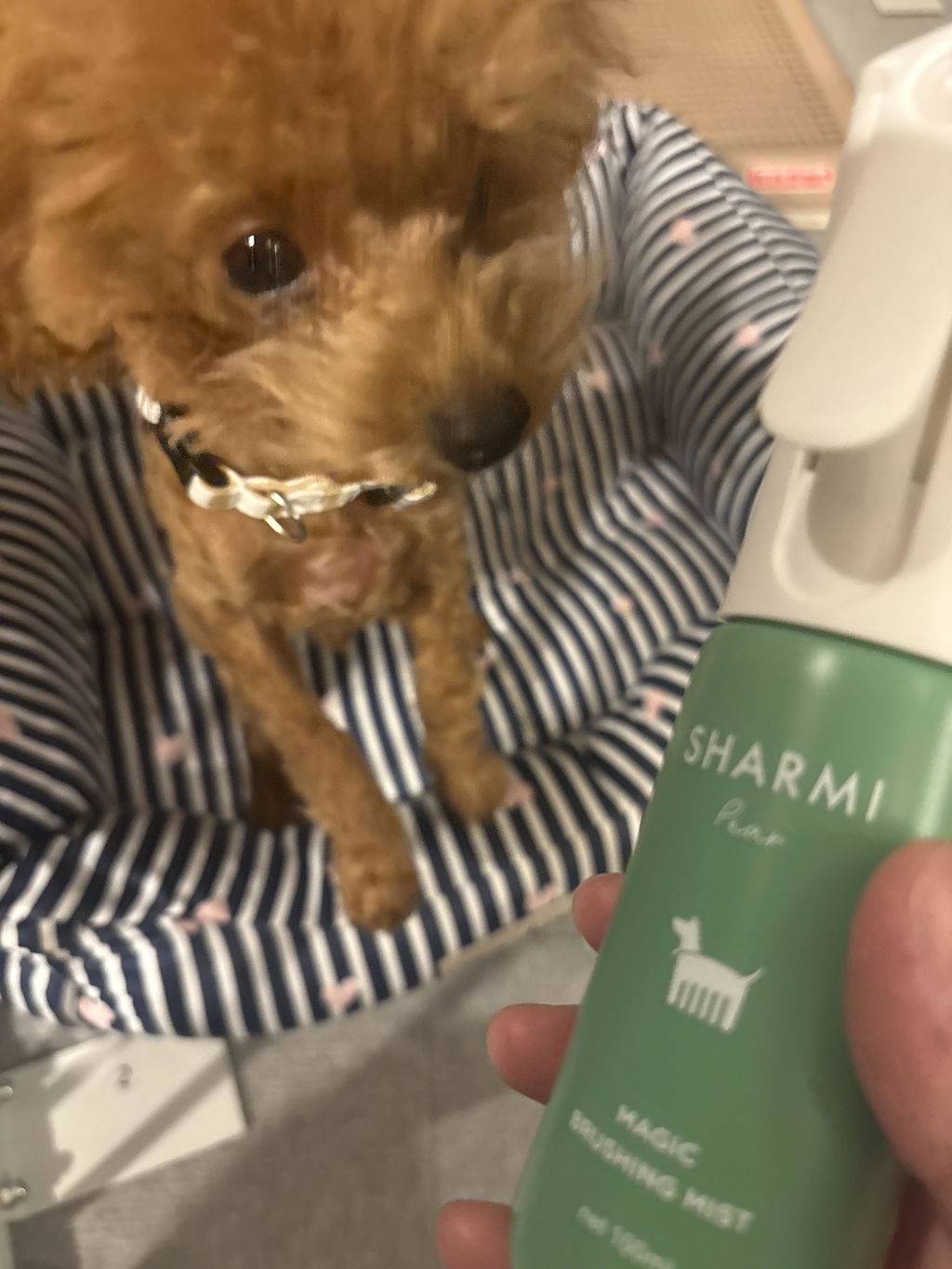
Disasters can happen at any time. Be prepared today to keep your beloved pet safe tomorrow.
共有
Hello! I'm Daniel from NENE's store 🌻
Today, I'd like to talk about how you can prepare to protect your beloved pet in the event of a disaster.
Natural disasters such as earthquakes, typhoons, and heavy rain can happen anytime, anywhere.
While many of us prepare emergency supplies for ourselves and our families, not many households have fully considered disaster preparedness for their pets.
Yet when disaster strikes, one of the biggest worries is the safety of our beloved furry family members.
That's why it's so important to prepare little by little before an emergency happens, so you won't have to panic when the time comes. ✨
🎒 1. Prepare an Emergency Bag for Your Pet
During an evacuation, you'll likely be focused on carrying your own essentials.
That's why it's important to have a dedicated emergency bag ready for your pet in advance.
Here are some essentials to include:
🍚 Pet food (at least 5–7 days' worth)
💧 Drinking water
🥣 Food and water bowls
💊 Any regular medications
🦮 Collar, leash, and harness
🧳 Carrier or crate
🩹 Toilet supplies (pee pads, litter, waste bags, etc.)
🧻 Wet wipes
🧺 Towels
🧸 Your pet's favorite toy or blanket
A blanket or toy with a familiar scent can provide great comfort and help reduce your pet's anxiety during an emergency. 😊
🏷️ 2. Make Sure Your Pet Can Be Identified
During a disaster, pets can easily become separated from their families.
Having an ID tag or a microchip greatly increases the chances of being reunited.
Even simply attaching your contact information to your pet's collar can make a big difference. 📞
📦 3. Get Your Pet Comfortable with a Carrier or Crate
Many evacuation shelters require pets to stay inside a carrier or crate.
Helping your pet become familiar with it beforehand can greatly reduce stress during an emergency.
Try placing treats inside or using the crate as a cozy place for naps so your pet associates it with comfort. 🐾
📄 4. Keep Vaccination Records and Health Information Together
Some evacuation shelters and pet-friendly accommodations may ask to see your pet's vaccination records.
It's a good idea to keep the following information organized:
📋 Vaccination records
💉 Rabies vaccination certificate (for dogs)
🩺 Medical conditions and allergy information
💊 Current medications
📞 Contact information for your regular veterinarian
Saving photos of these documents on your smartphone is also a great backup in case you can't bring the originals.
🗺️ 5. Know Where You Can Evacuate
Not all evacuation shelters accept pets, and policies vary depending on your local government.
Don't assume the nearest shelter allows pets—check your local municipality's website ahead of time.
It's also a good idea to discuss a family meeting place and emergency communication plan before a disaster occurs. 📍
💛 Final Thoughts
No one knows when a disaster will happen.
That's why today—while everything is calm—is the perfect time to prepare.
The best person to protect your beloved pet is you.
Review your emergency supplies, help your pet get comfortable with a carrier, and regularly check their health and well-being.
The small steps you take today can provide tremendous peace of mind when it matters most. 🌈
Let's do everything we can to keep our beloved furry family members safe and give them a secure future.
We hope you'll take this opportunity to review your family's disaster preparedness plan. 🐶🐱🐰💕
That's all from Daniel! 🌻
See you again next time! 👋